From Fields to Flight: Protecting Grassland Birds
Since the 1970s, populations of Virginia’s native grassland birds have experienced dramatic declines. Species that once filled open fields with their songs are becoming increasingly rare as Virginias natural grasslands disappear. Habitat loss, urban development, climate change, and changes in agricultural practices have all contributed to this downward trend, leaving many grassland-dependent birds with fewer places to nest, forage, and raise their young.
While these statistics are staggering, the Shenandoah Valley is in a unique position. The Valley’s extensive network of hayfields, pasturelands, and other working agricultural lands serve as a refuge for species that rely on open grasslands throughout part or all of their life cycle. These working landscapes demonstrate that agriculture and conservation can go hand in hand, supporting both local farming communities and the wildlife that depends on these habitats.
More than 90% of Virginia’s land is privately owned, private landowners play an essential role in protecting these critical ecosystems. Many of the conservation easements held by the Shenandoah Valley Conservancy encompass working farms and grasslands that provide excellent habitat for native birds and other wildlife. By partnering with landowners who are committed to conservation, we help ensure these landscapes remain healthy and productive for generations to come.
The Shenandoah Valley Conservancy is a member of the Virginia Grassland Bird Initiative (VGBI), a partnership between Smithsonian’s Virginia Working Landscapes (VWL), The Piedmont Environmental Council, American Farmland Trust, Quail Forever, and Shenandoah Valley Conservancy working to reverse the decline of grassland birds in Virginia. Through this initiative, we can better understand the ecological value of our conserved properties while connecting interested landowners with opportunities to enhance wildlife habitat on their land.
Earlier this summer, members of the Conservancy’s stewardship team, including Stewardship Specialist Karen Inouye and 2026 Stewardship Fellow Sofia Rocchi, joined the VWL team for grassland bird and plant surveys in their survey region. The surveys took place on working farms with different management strategies, including hayfields, pastures, and a field that had recently undergone a prescribed burn. Each site offers researchers valuable insight into how different land management practices influence the health and diversity of grassland ecosystems.
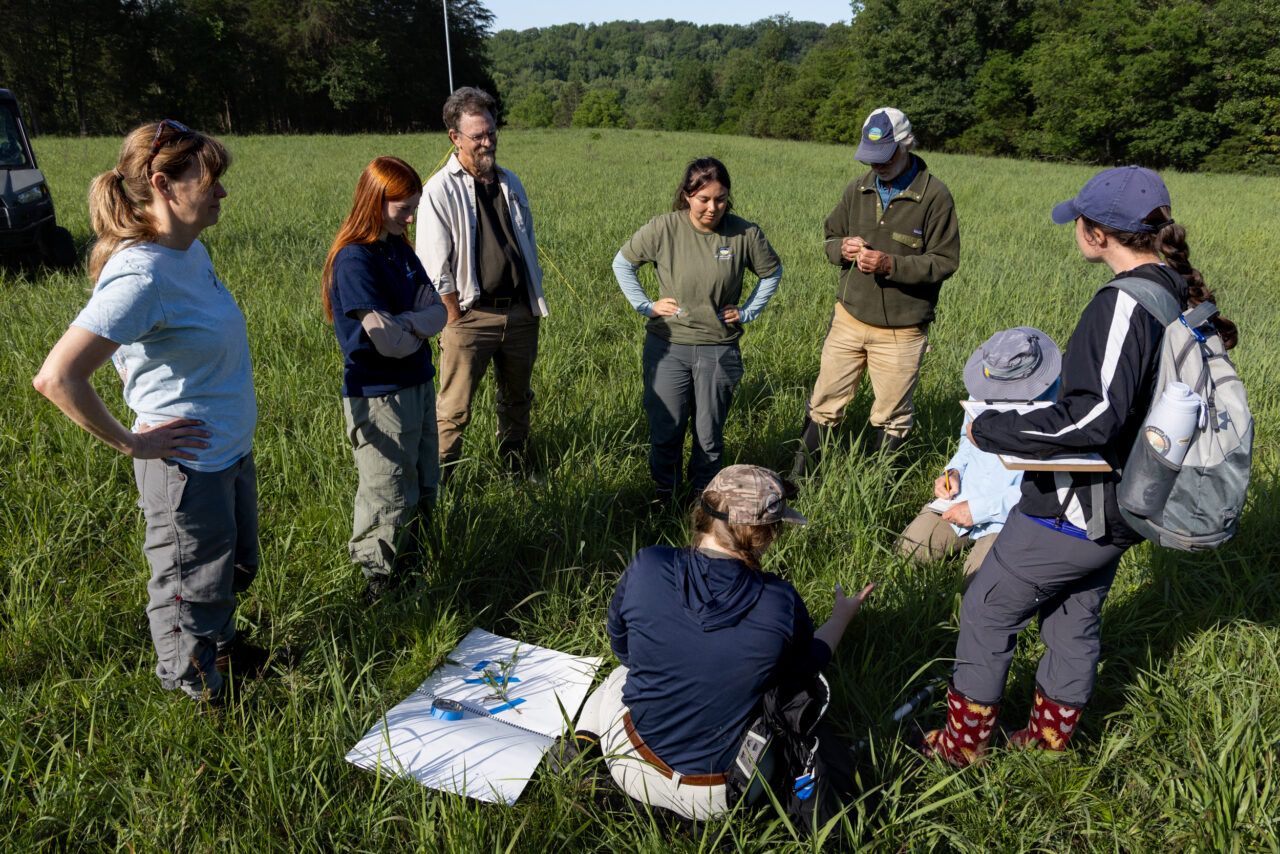
During the vegetation surveys, researchers established a series of randomly selected plots throughout each field and carefully documented every plant species growing within them. These detailed surveys allow VWL to evaluate plant diversity, identify native and invasive species, and better understand how different management practices shape grassland habitat over time.
The bird surveys followed a similar approach. At designated survey points within each field, researchers remained stationary for ten minutes, recording every bird seen or heard within approximately 100 meters. By returning to the exact same locations throughout the breeding season, VWL can monitor population trends, identify which species are using different habitats, and evaluate how land management influences bird communities over time.
The information gathered through these surveys helps researchers identify key grassland species, assess habitat quality, and develop science-based recommendations that benefit both farmers and wildlife. Those recommendations can include practices such as adjusting haying schedules, implementing prescribed burns, or managing invasive plants to create healthier, more diverse grassland habitats.
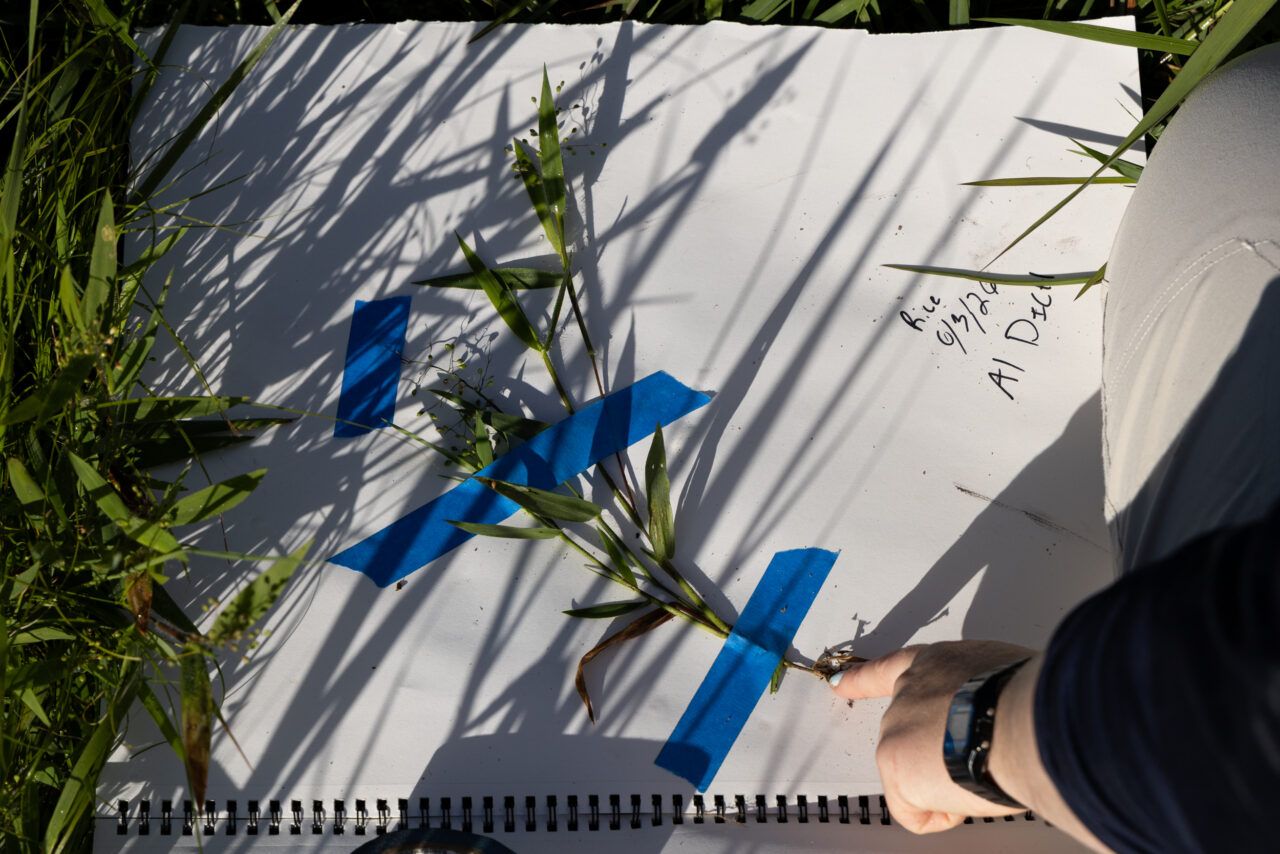
For Sofia, participating in the surveys offered an opportunity to deepen her understanding of an ecosystem new to her.
“I was able to greatly expand my knowledge of grassland species,” she shared. “The VWL team pointed out not only grasses and wildflowers, but also birds, insects, and so many other species that rely on these habitats.”
Experiences like these also strengthen the Conservancy’s stewardship work. Understanding the diversity of plants and wildlife found on conserved properties allows stewardship staff to better recognize the ecological significance of each easement and evaluate its conservation values.
As Sofia reflected, “Gaining insight into grassland habitats helps us in our stewardship position to better understand the properties and habitats of our easements and assign conservation values.”
The work of the VGBI core partners extends beyond research. As we learn more about the unique habitats found on our conserved lands, we are also able to connect easement landowners with conservation partners who can help them achieve their stewardship goals. Whether a landowner is interested in improving habitat for declining bird species, restoring native grasslands, or learning more about wildlife on their property, collaborations like these make those opportunities possible.
Conserving grassland birds requires cooperation between researchers, conservation organizations, and the private landowners who care for the landscapes these species depend on. By working together, we can protect the working lands that sustain both agriculture and wildlife, ensuring that future generations will continue to hear the songs of Virginia’s grassland birds echoing across the Shenandoah Valley.