
It’s been one year since our 2025 Potomac River Report Card, how are our forested buffers doing?
Planting new trees is only part of the solution when existing forests are disappearing faster than they can be replaced. Protecting existing forests, strengthening conservation efforts, and expanding restoration projects is needed to get the Potomac closer to an “A.”
Last year we released our Potomac River Report Card, which is a comprehensive review of our water quality and efforts to improve our Potomac River region. This year, we’re following up to see whether environmental efforts are actually being followed through on.
For now, we’re going to focus on just a narrow strip of trees that make a huge difference.
What if protecting the Potomac River was as simple as planting 50 feet of forest? According to Michael Nardolilli, Executive Director of the Interstate Commission on the Potomac River Basin, a 50-foot-wide forested buffer can reduce polluted runoff by as much as 75%. That’s a substantial improvement for a pretty small stretch of land!
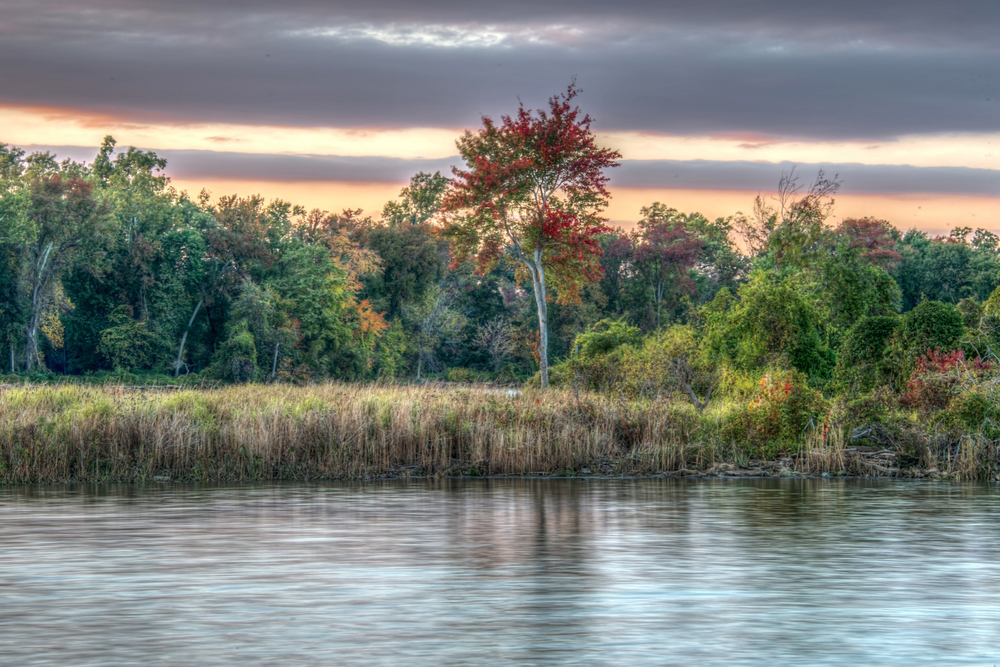
The Potomac earned a “B” grade for the fifth consecutive report card, so what’s been hindering that grade from rising higher? Even though we’ve seen declines in nitrogen, phosphorus, and sediments polluting our waterways, urban runoff is still a rapidly increasing threat. This runoff has the potential to undo progress that has been challenging to accomplish.
But is planting more trees along our waterways really the best answer?
In short, yes, but these things aren’t plain and simple…
Forested buffers are strips of trees, shrubs, and other plants that grow along streams and rivers. They hold in dirt and sediments, preventing erosion; provide shade and habitat; and act as natural filters for trash and other pollutants.
Their benefits extend beyond cleaner water. Streamside forests provide wildlife habitat, reduce ecosystem isolation, and ultimately reduce flooding. With increasingly intense rainstorms impacting the Potomac region, these natural defenses are becoming more important!
But how much progress has been made?
Under the 2014 Chesapeake Bay Watershed Agreement, participating jurisdictions committed to restoring 900 miles of forested buffers annually and maintaining forest coverage across at least 70% of streamside areas.
Progress has been pretty uneven though.
turning fall leaves in frederick, maryland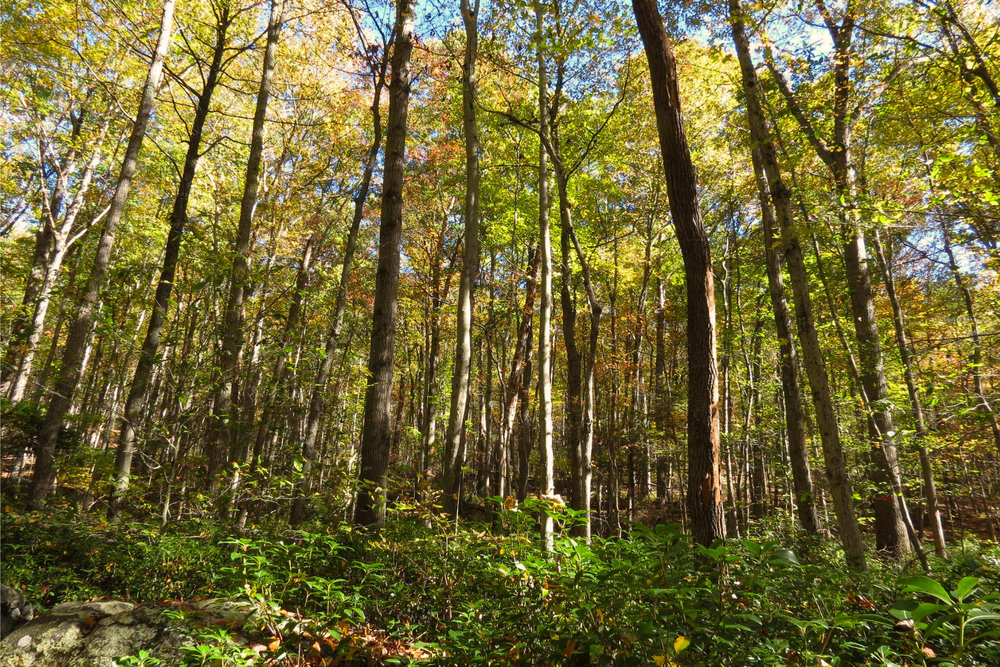
As mentioned in the Potomac River Report Card, Virginia has restored around 300 miles of streamside forest buffer while other states have been falling behind in meeting their targets.
In 2024, Virginia, Maryland, and West Virginia combined only contributed around 25% of the expected restoration, with only 227 miles of buffer planted. This marks a slowdown in progress, which raises red flags over whether states are capable of committing to goals long term. Washington, D.C., has also done some stream restoration, including efforts to restore forested stream corridors and reduce erosion.
Despite restoration efforts, existing forests are disappearing faster than replacements can grow. According to the Chesapeake Bay Program, 41,941 acres of streamside forest were lost across the watershed between 2013-2014 and 2021-2022. Maryland, Virginia, and West Virginia all experienced losses, while D.C. recorded a small gain.
Initiatives that give us hope
sun beaming through trees in frederick, maryland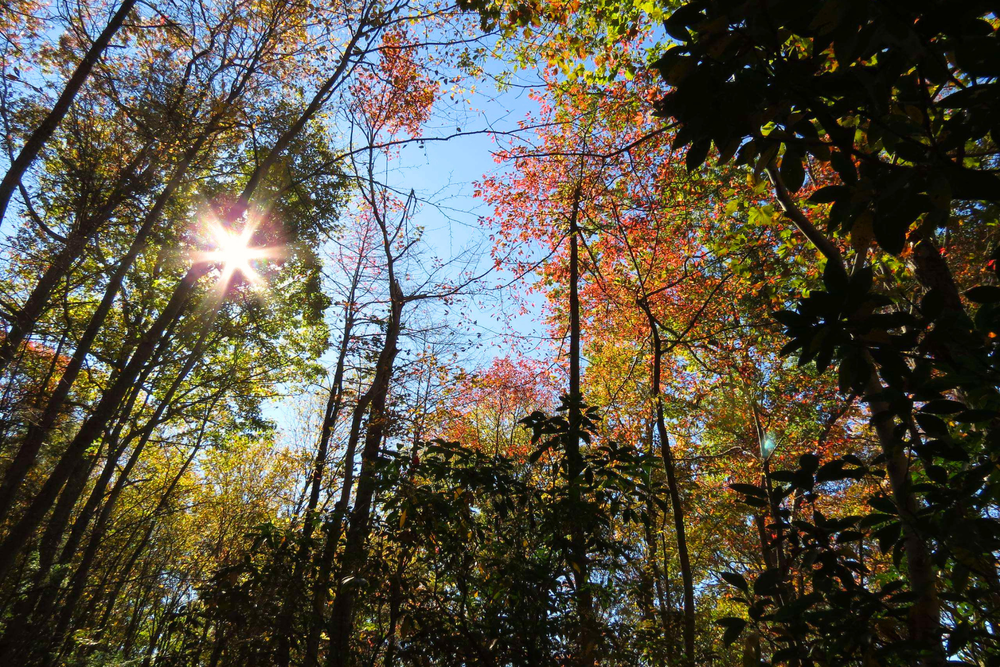
State run programs have been working to help landowners build healthy forest buffers in their backyards. In fiscal year 2025, Virginia recorded 460 acres of newly built buffers at numerous sites across the region.
But progress has still been slow, and not as simple as planting trees in your backyard. Not only do restoration projects need our ongoing support, but so do the existing forests already at risk. Development from urban sprawls and data centers makes our forests vulnerable every day, which can’t easily be restored.
dammed trash at kenilworth park, dc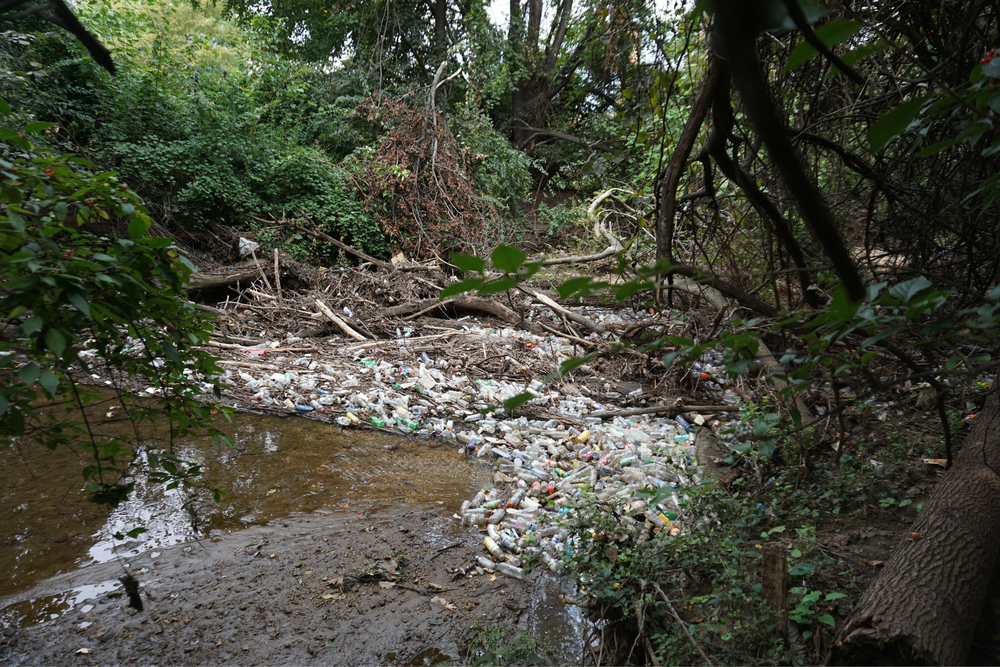
As a nationally accredited land trust, we work alongside landowners to conserve their properties and protect their streamside forests. More than 75% of our conservation easements have streamside buffers. We’re not just talking about the issue; we’re doing something about it.
50 feet of forest cannot solve the problem alone, but it’s an important piece of the puzzle. It also gives us insight into how multifaceted climate impacts are on our region. It is imperative that we come together to protect the ecosystems and habitats that we and all the other critters call home!
Support our land conservation work by donating here!