What happened to the apples? How Butler’s Orchard, a local Maryland farm handled the unpredictable weather this year
Discover how family-owned farms in the Potomac River region are staying open amid a historically poor fruit season
Butler’s Orchard & Farm Market is a family-owned and operated business outside of Germantown, MD. Their farm, as well as many others in the Potomac River region, experienced severe losses in crop yields this season due to extremely poor weather conditions, including a frost in April of this year.
Butler’s Orchard & Farm Market has been family-owned for three generations and offers pick-your-own fruit and many other outdoor activities. The Orchard is located in Montgomery County, just outside of Germantown, and has been in the family since 1950.
Butler’s orchard storefront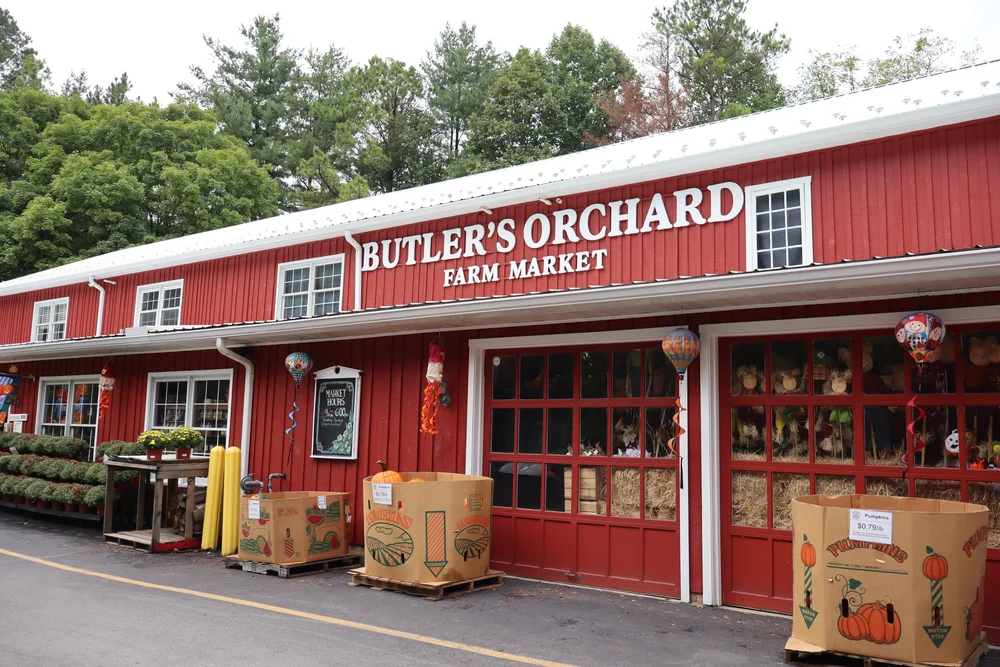
Butler’s is known statewide for its vast apple orchards, pick-your-own fruit, and fall Pumpkin Festival, but this harvest was particularly poor.
What happened to the apples?
On April 20th, the DMV experienced a late frost, with temperatures dropping between 20°F and 25°F, devastating crop production for farmers. Crops such as apples, peaches, strawberries, berries, and grapes were most affected. Ben, the Farm & Finance Manager at Butler’s and a third-generation Butler, lamented that “this is a unique year,” highlighting that “in my lifetime, this is the worst apple season we’ve had.”
ben butler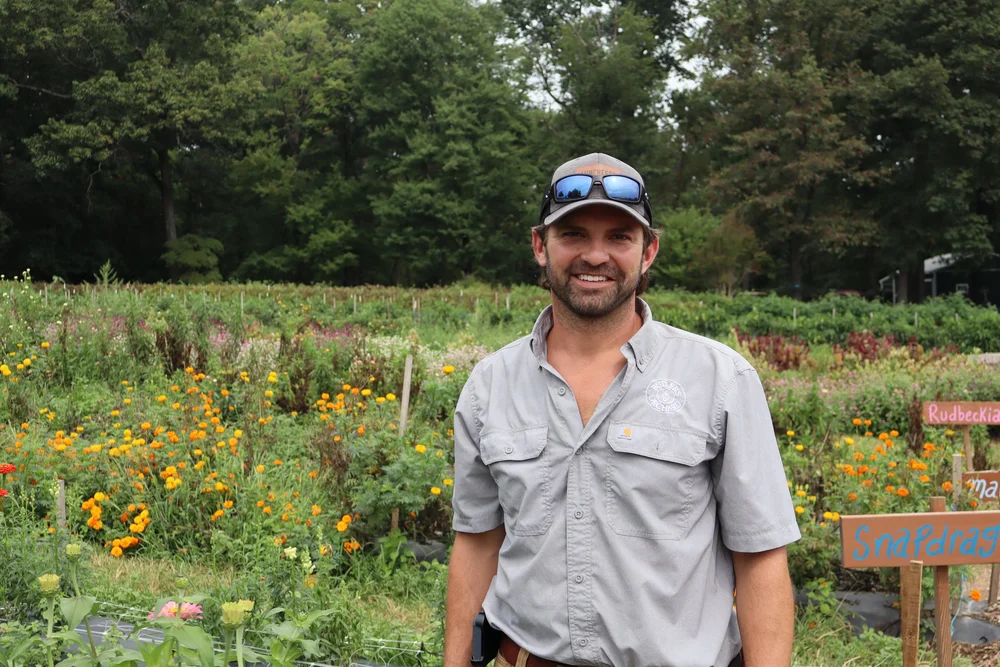
He continued to share that the “middle end of April was just like the perfect storm of death for all the [apple tree] blossoms.” Circumstances like these remind us how vulnerable trades and practices like fruit farming are to the climate crisis.
But while this hasn’t been entirely disruptive to farmers’ sources of income, they have had to pivot focus on crops and agritainment that have been more resistant to the poor weather conditions.
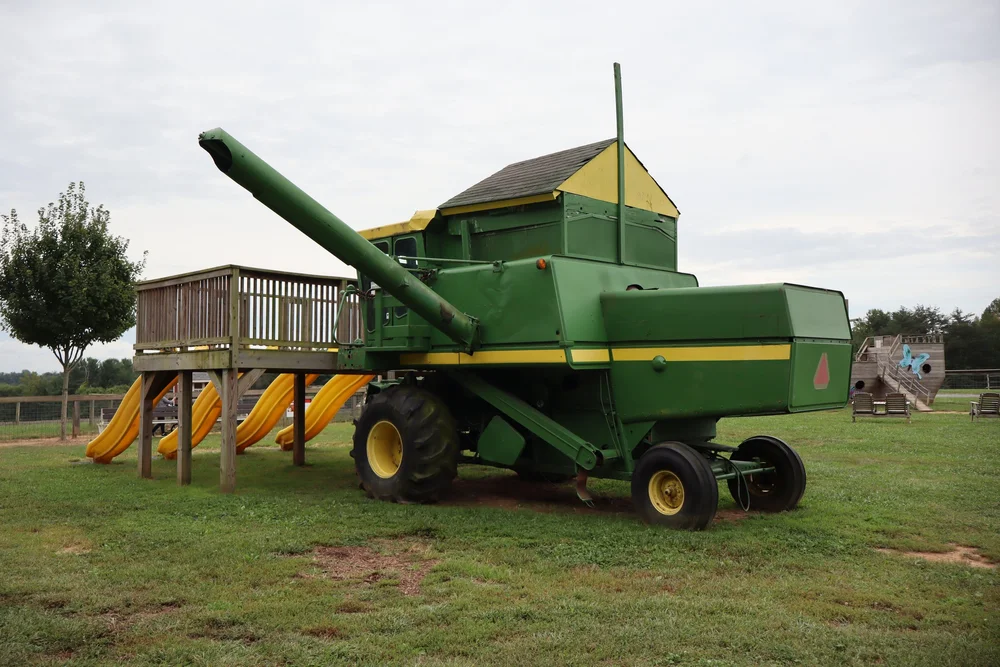
These sources of outdoor entertainment are known as ‘agritainment’ by Farmer Ben Butler, with a heavy emphasis on connecting the public and the land in various ways. For farms that rely heavily on agricultural entertainment, shortcomings in weather are a big deal.
Rough conditions have required local farmers to cooperate with each other to gauge prices and supply for the season. Farmer Ben relayed that regional farmers “go back and forth on pricing,” asking each other, “What are you doing about this problem?” Overall sharing that “it’s really a good community to be a part of,” especially in the face of uncertainty.
ben butler with flowers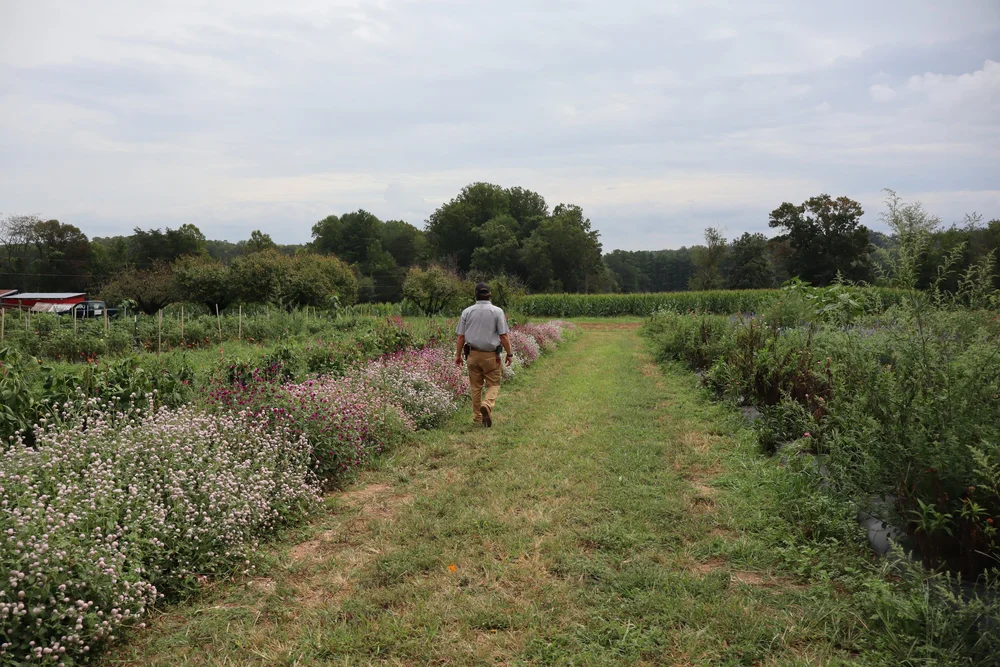
Planning ahead
Butler’s Orchard has been working to develop plans to reduce the impacts of poor weather and climate. Some of these efforts have included identifying areas at higher risk of runoff, which they countered by implementing a stormwater retention pond.
But runoff is only one factor, occurring when there is an abundance of rainfall– what do you do when there is no rain and no water?
young apple orchard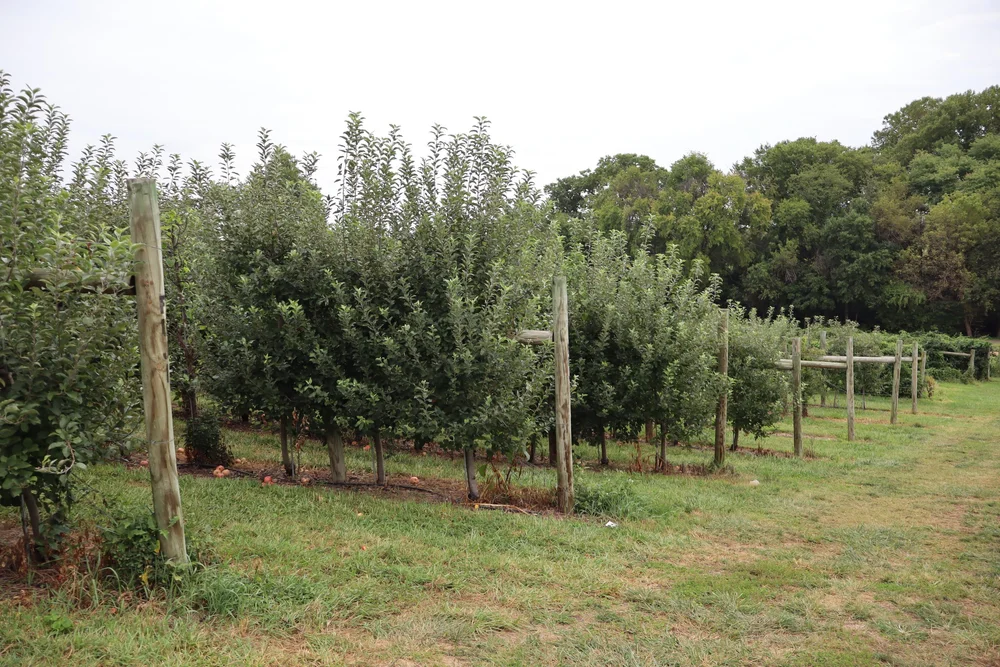
Ben expressed his frustration, making his decision by saying, “When it’s hot and dry, you need the water. The creeks run low, the pond gets low, and then you’re kind of really having to make tough decisions on what gets water and what doesn’t.”
Inconsistent weather patterns, insecurity in forecasting, and lack of an adequate solution renders farmers defenseless against these unprecedented conditions.
Storms, heat, and everything else
Even though farmers have been the first line of defense for everything Mother Nature throws at us for centuries, the climate crisis has made a lot of the weather patterns more unpredictable and harsh.
apple at orchard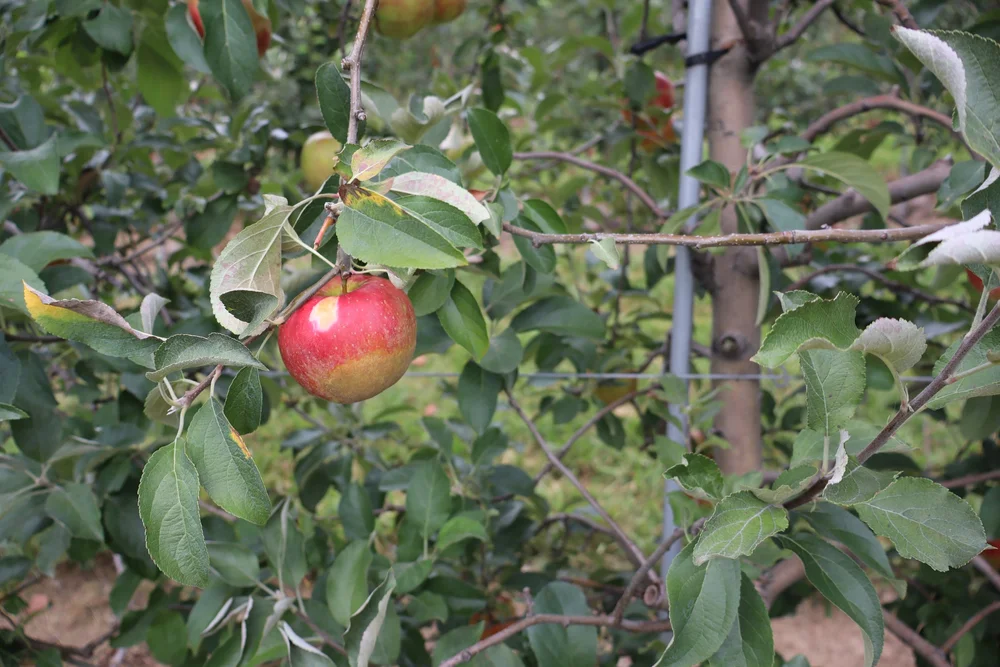
Ben shared that “from a farmer’s perspective, the storms seem more severe.” Continuing by expressing, “You’re getting more rain faster, harder, with more wind in a short period of time.” When asked if he noticed any changes he added that “there have been changes. I think they’re more heightened now.”
For the Butlers, industry challenges are not new. Ben says that he “learned to just roll with the punches.” Ending by sharing that they’re “used to problems and headaches. So, you do what you can to mitigate them and then move on.”
Moving forward
While new and unprecedented challenges are inevitable, Ben chooses to pursue solutions rather than dwell on shortcomings. As uncertainty grows about the climate’s impact on agriculture in the DMV, farmers must adapt their strategies. Whether it is by combating inopportune weather conditions by choosing varieties of plants that are more durable or changing pest control methods, the landscape is constantly changing.
butler’s orchard road sign
Your ongoing support for businesses like Butler’s Orchard keeps their work happening while allowing them to keep working to improve land in the Potomac River region and find creative solutions to the climate crisis’s impacts. The good news is that their pumpkin crop was not affected by the cold snap this year, so you can still grab local pumpkins in the patch or in the market!
Be the first to know about how you can speak up for climate solutions in the Potomac River region!