A Regional Investment in Farmland Conservation
By Amanda Gookin
The pastoral view of the Shenandoah Valley is a beautiful mosaic stitched together with family farms that shape our region’s rural character. These farms have sustained communities for generations and connect the people who live and work here directly to the land.
They are also the foundation of Virginia’s agricultural economy. According to the USDA’s 2022 Census of Agriculture, the Shenandoah Valley is home to four of Virginia’s five highest-producing agricultural counties. Together, those four counties generated more than $2 billion in agricultural sales in 2022.
But agricultural productivity is only one part of what makes farmland in the Valley vitally important to conserve. Across Augusta, Rockingham, Shenandoah, Page, Warren, and Frederick counties, approximately 750,000 acres of prime agricultural soils and soils of statewide importance support a region rich in natural resources. These six counties also lie within the headwaters of the Potomac River watershed, which drains into the Chesapeake Bay, making farmland conservation an important investment in water quality, wildlife habitat, and the health of the larger landscape. These six counties lost nearly 13 percent of active farmland between 2017 and 2022. This loss comes amid development pressures to subdivide or sell the land, rising production costs, and transitions in generational farm ownership and management.
As the region navigates these significant changes in farmland ownership and land use, conservation easements offer one important way to protect the Valley’s agricultural future. Whether that is by considering a conservation easement on your own property or supporting a land trust or conservation organization that facilitates this work, we all play a key role in protecting the landscapes that quite literally sustain our community’s livelihoods.
Conservation easements not only protect our food supply and local economy; they also protect headwater streams, groundwater recharge, productive soils, and native habitat. Well-managed farmland supports what are know as conservation values—the natural resources, biodiversity, viewsheds, or cultural features of a property that are important to protect. Rainwater and snowmelt that permeate farmland soil reduce runoff, filter pollutants, and recharge groundwater. Well-managed conservation farming practices can help sequester carbon in the soil and reduce greenhouse gas emissions. The fields, hedges, wetlands, and wooded areas of farmland provide food, shelter, and safe corridor passage for wildlife and pollinators. And, of course, they maintain the scenery enjoyed by the millions of people who live and recreate in the Shenandoah Valley each year.
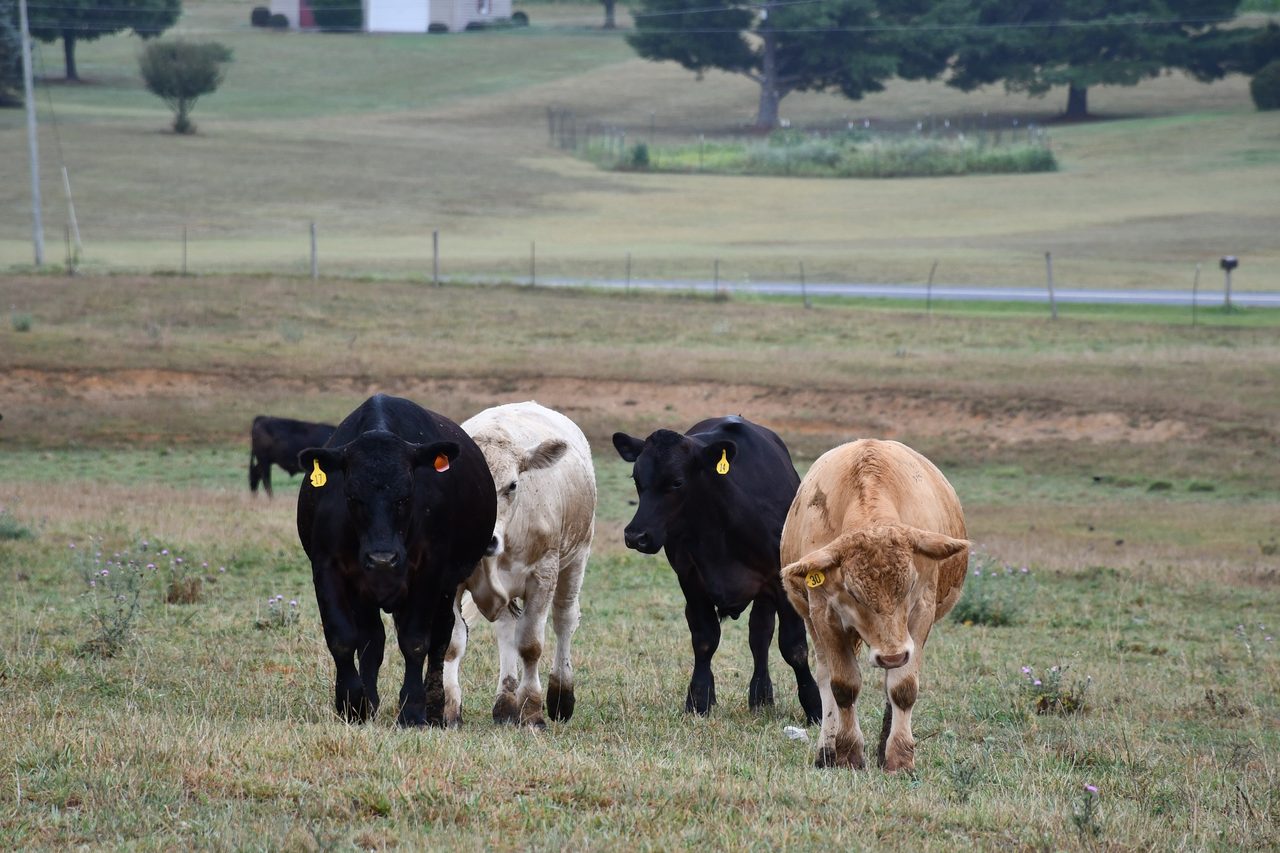
$6.4 Million Investment Will Help Protect Shenandoah Valley Family Farms
The United States Department of Agriculture’s (USDA) Natural Resources Conservation Service (NRCS) has dedicated $6.4 million through the Regional Conservation Partnership Program (RCPP) to work with Alliance for the Shenandoah Valley, Shenandoah Valley Conservancy, Potomac Conservancy, The Conservation Fund, The Black Family Land Trust, Shenandoah County Conservation Easement Authority, and Conservation Partners to protect family farms across six counties in the Shenandoah Valley: Augusta, Rockingham, Shenandoah, Page, Warren, and Frederick—the same six counties that collectively lost nearly 13 percent of farmland between 2017 and 2022.
Through RCPP, federal funding helps the partner organizations purchase voluntary, permanent conservation easements from participating landowners, allowing families to retain ownership of their farms while permanently protecting the properties’ agricultural and natural resources. This round of RCPP funding is projected to protect 12 family farms across the Valley, building directly on the Conservancy’s 2022 RCPP award, through which 10 conservation easements on farms in the Valley are currently in progress.
The RCPP partners have worked together to identify and prioritize the areas that will deliver the greatest conservation outcomes in the region, looking at factors like soil quality, water quality, source water recharge areas, core habitats, development pressure, and connectivity of conserved lands.
Identifying the properties is just the beginning. Federal funding alone does not complete these projects. Continued local support is essential to cover the day-to-day work of the Conservancy and our partner organizations, including staff time, appraisal costs, legal support, and stewardship. It is an incredible group effort to bring a conservation easement across the finish line.
By working together, we can ensure that the family farms that have shaped the Shenandoah Valley for generations remain part of its landscape for generations to come.
If you are interested in learning more about how you can support the Conservancy, please visit www.shenandoah.org/donate.