Filming the Land at Linville Farm
By Lillian Naftel
Early mornings on Ilse Ackerman and Peter Dula’s 56-acre farm in Linville, Virginia, are anything but quiet.
Birdsong fills the air as the rolling farmland stretches toward Massanutten Mountain. A thin layer of fog hangs above the West Fork of Linville Creek, drifting across the landscape as the morning begins to warm.
Standing outside their home, I opened my Merlin Bird ID app, expecting to hear a few familiar species. Instead, the app became almost overwhelmed. Bird after bird registered on my phone, making it immediately clear that this was more than just a piece of farmland. It was a living landscape.
This was the setting for a morning of filming with Ilse and Peter. A short documentary about their farm, their conservation work, and the decisions they are making for the future.
The morning was captured by Billy Morgan, a local videographer, who filmed the property.
When we arrived, the goal was to document the story of Ilse and Peter’s relationship with their property and the conservation work taking place across it.
Rather than simply sitting down for an interview, we moved through the farm. We filmed along the creek, walked through the fields, stopped at the pond, and explored the areas where restoration work was taking place.
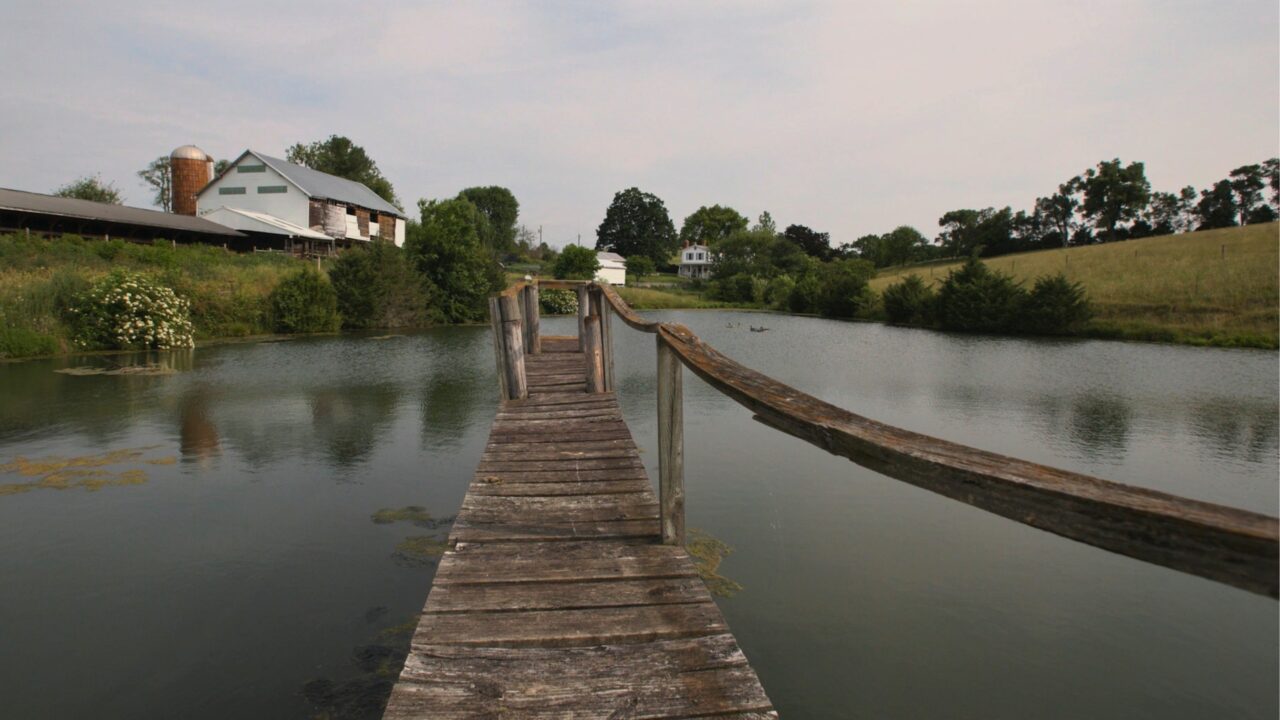
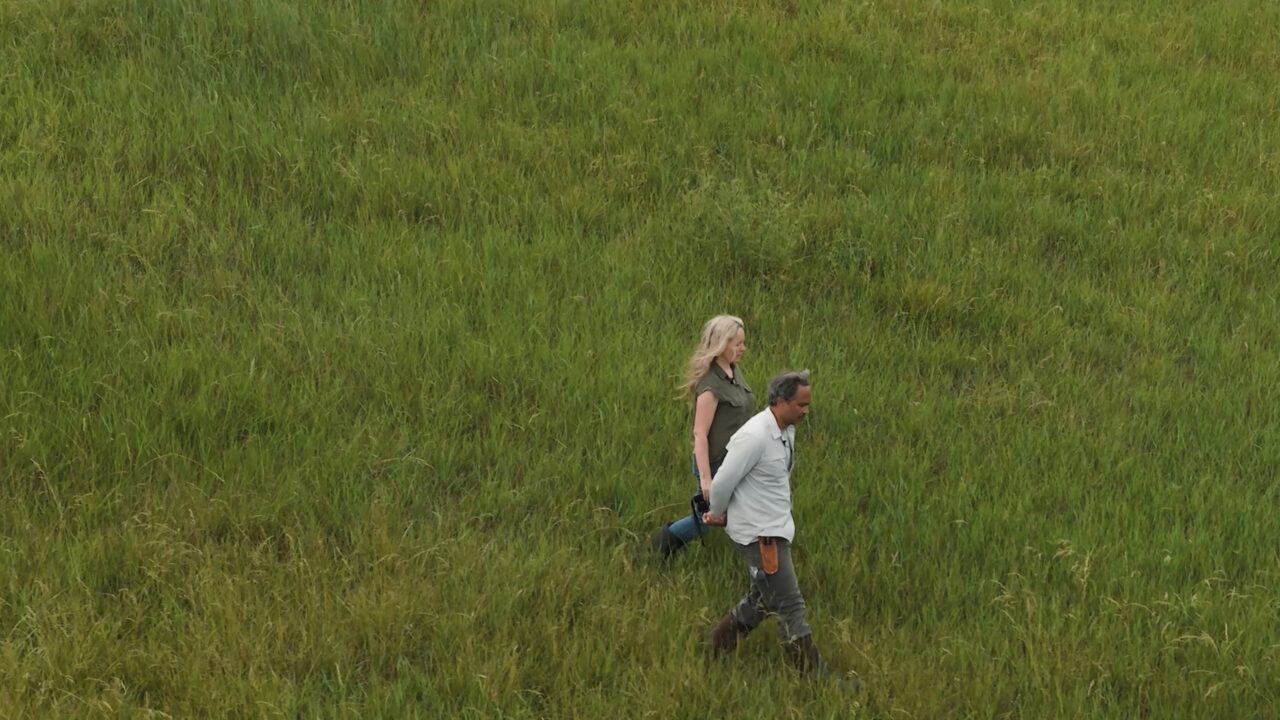
The camera helped reveal things that might otherwise be easy to overlook. The difference between a grazed and ungrazed area, the young trees protected inside their tubes, the movement of water through the property, and the small signs of recovery throughout the farm. The landscape became the third voice in this documentary.
One of the most striking parts of filming was realizing how much of Ilse and Peter’s conservation work is built around patience.
On this farm, some of the most important work is being done with no expectation of seeing the finished product. That idea is reflected in the 200-year plan Ilse and Peter created for their property. It is difficult to imagine what this landscape will look like two centuries from now. The people who wrote the plan will not be here to see it.
And yet, they planned for it anyway.
Filming conservation stories can sometimes make the work seem straightforward. You arrive with cameras, capture the landscape, interview the landowners, and put the pieces together. But spending time on the property shows how much of the story exists between those moments.
Peter and Ilsa developed a relationship with this place. Outside of interviewing them, in the casual conversations we had throughout the morning, it was obvious how connected they were to this place. They know where the water runs, they notice when a rare bird returns, and they understand how their landscape will change over time.
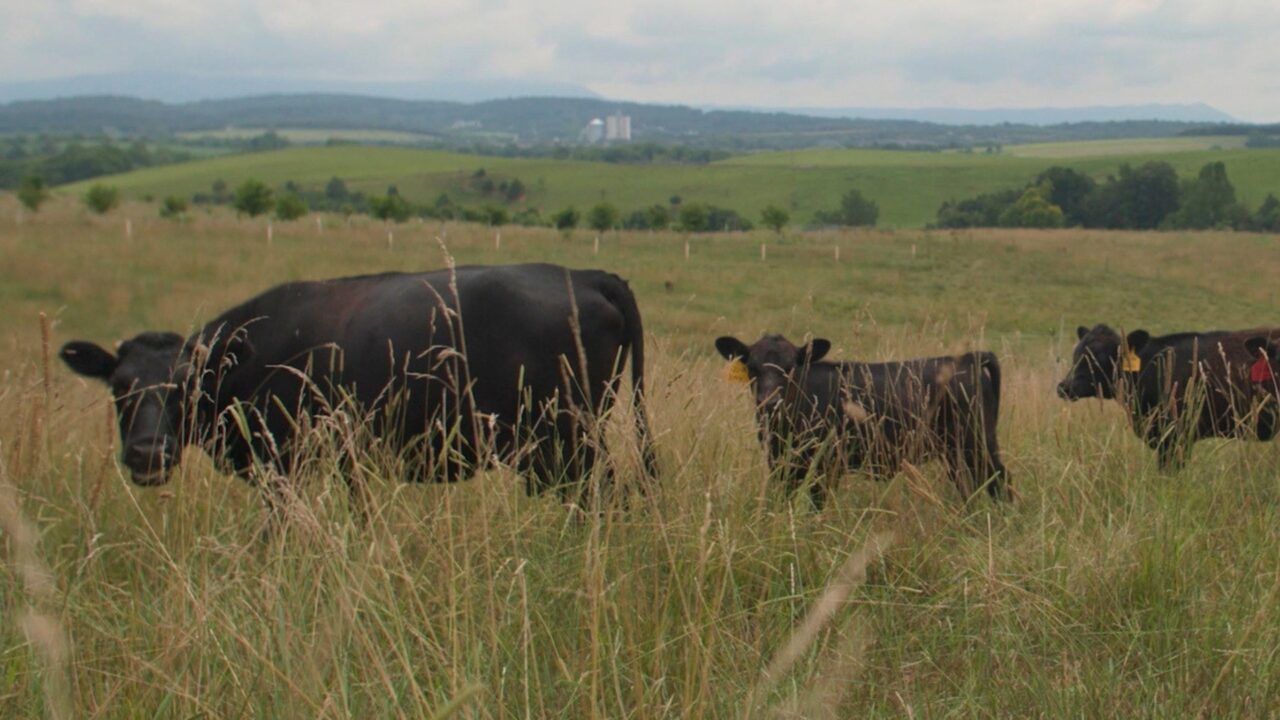
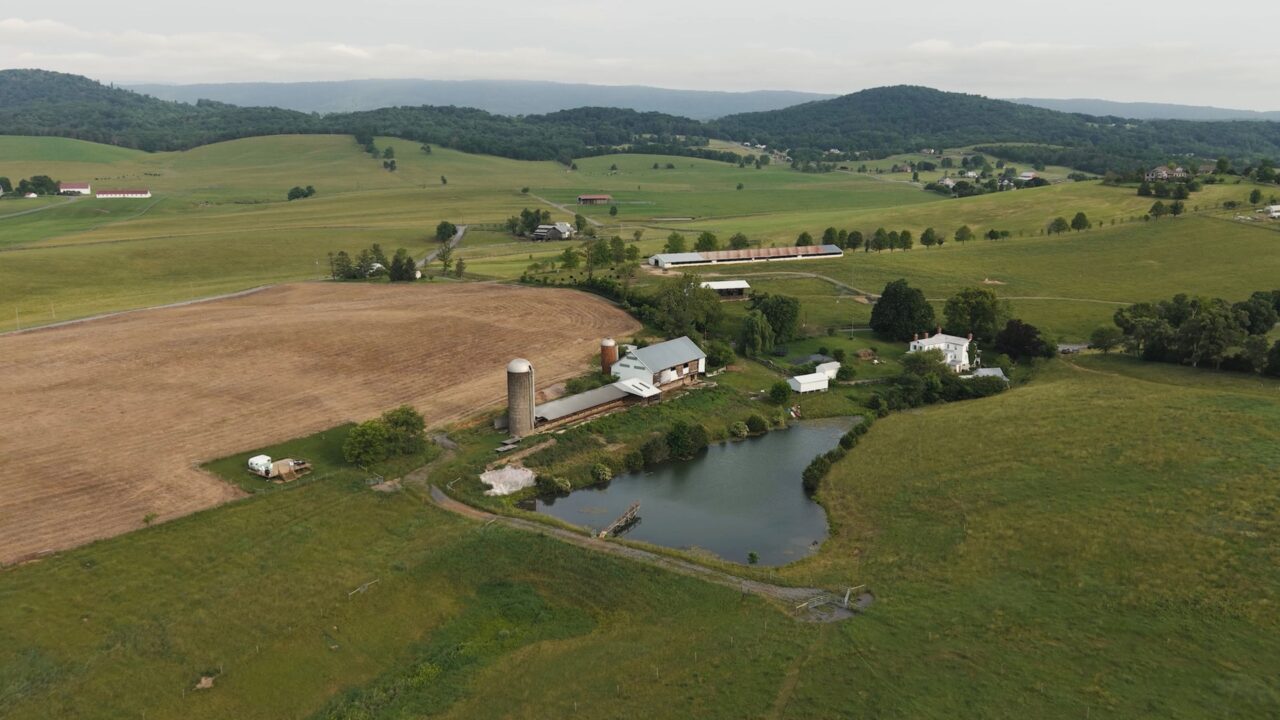
That is what made the 200-year plan such a powerful idea to encounter while filming. It puts a human lifetime into perspective. Ilse and Peter are not trying to finish conservation. They are simply contributing their part.
Protecting land does not necessarily mean getting to see the final result. Sometimes it means making decisions today that are intentionally designed for people you will never meet.
The finished documentary captures Ilse and Peter’s voices, but the work they do on their land and their choice to put their land under a conservation easement will be captured in the landscape forever.
This story is ultimately about what happens after the filming is over. It is about giving the land time. It is about recognizing that restoration does not always happen within a single season or even a single lifetime. This documentary, and Ilse and Peter’s voices, show that conservation is not a finished product.
On Ilse and Peter’s farm, the work is already underway. Some of the results are visible, while others may take generations to emerge. Standing in the fields that morning, the 200-year plan felt less like a distant goal and more like a reminder.
We are only here for a short time. The land is not.