Understanding Private Conservation – An Interview with Rosemary Downing, Conservation Director at Shenandoah Valley Conservancy
By Lillian Naftel
When we think about land conservation, we often picture national parks, public lands, and the places we visit to hike, camp, and enjoy the outdoors. Here in the Shenandoah Valley, with Shenandoah National Park on our doorstep and the Alleghany Mountains lining the horizon, it is easy to associate conservation with the places we can visit and experience for ourselves.
But conservation in the Shenandoah Valley happens in places that may never have a public trail, a visitor center, or even a sign telling us that the land is protected. Conservation also takes place on privately owned land, and this private work is equally important.
Through conservation easements, landowners can protect their farms, forests, waterways, and other important natural areas from specific types of future development while continuing to own, manage, and use their land. A conservation easement is a voluntary agreement that places lasting protections on a property, helping ensure that its important conservation values remain intact for generations to come.
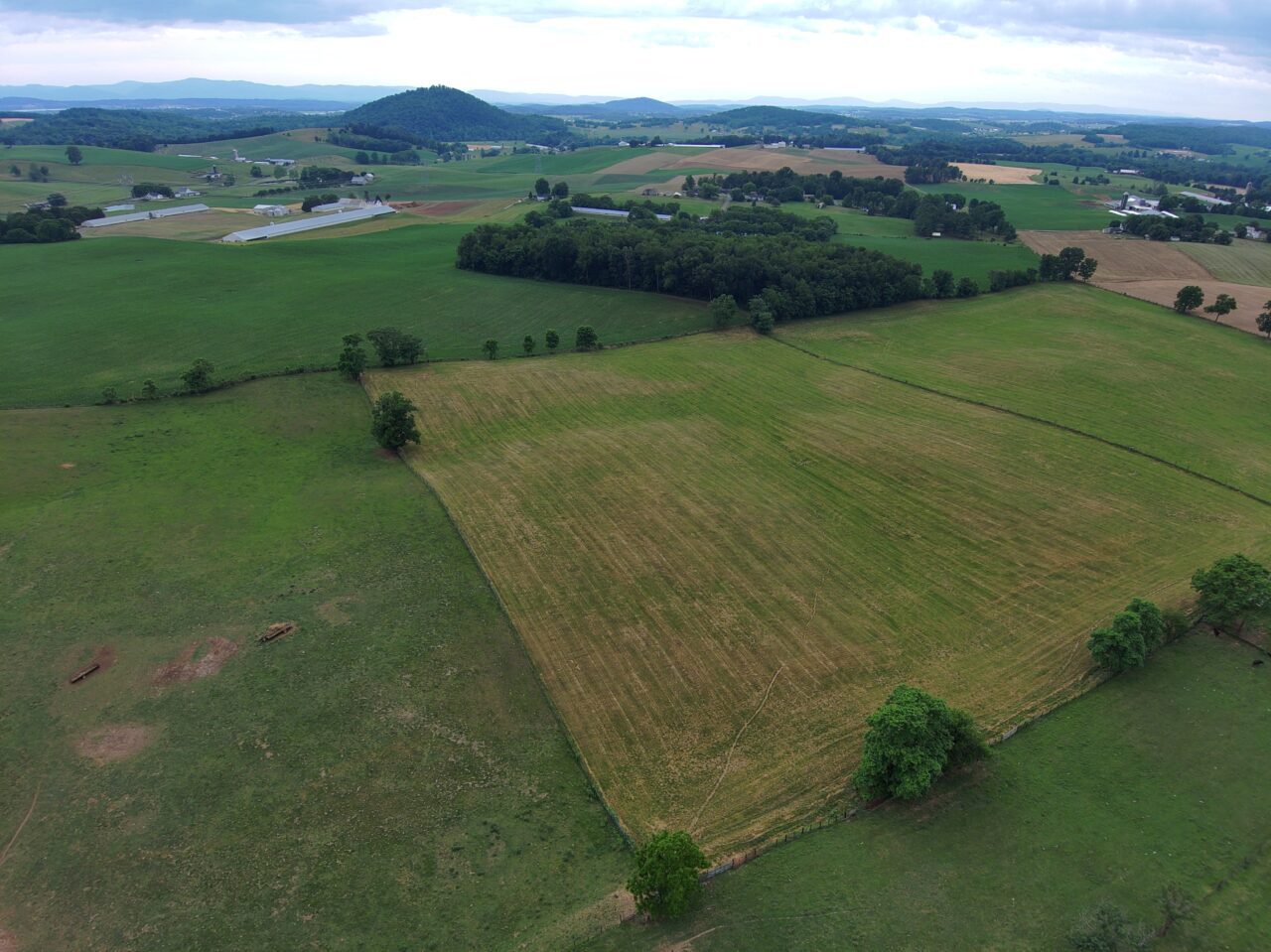
For many landowners, the decision to conserve their property is about more than how they use their land today. It is a decision rooted in their connection to the Valley. But what does that mean for the rest of us? If the land remains privately owned and the public may never set foot on it, why should we care about its conservation?
According to Rosemary Downing, Conservation Director at Shenandoah Valley Conservancy, the answer begins with understanding just how much we all depend on the land around us.
Through her role as Conservation Director, Rosemary leads the organization’s conservation work, including helping determine where to focus resources to effectively protect the most important land, water, and natural resources of the Shenandoah Valley.
“We all depend on the land, and we all depend on the resources…We need them,” Rosemary explained. “And so, our work is to respond to that and make sure that as the world does grow and change and evolve, we still have those important resources that we all depend on.”
It can be easy to think of a conservation easement as a private agreement between a landowner and a land trust. In one sense, that is true. The land remains privately owned, and the decision to conserve it belongs to the landowner. But the benefits of protecting that property extend far beyond the people who live there. As Rosemary explained, “Every single conservation easement that happens on a private land is somehow for the public good.” The specific benefits depend on the property itself, but these benefits do not stop at a property boundary. Water moves through watersheds; wildlife moves across landscapes; and agricultural communities depend on more than one farm at a time. When important areas are protected, they can contribute to the health and function of the surrounding landscapes as a whole.
For example, for agricultural communities, protecting farmland means preserving more than the ability to grow crops or raise livestock on one property. A connected agricultural landscape can help support the infrastructure and services that farmers depend on to operate. When farms are scattered among expanding development, the systems that support agriculture can become more difficult and expensive to maintain for individual farmers.
Keeping farmland available for agricultural use helps preserve the possibility of a future in which farming remains a viable part of the Valley’s economy and identity. The same principle applies to natural resources. A stream does not stop flowing at the edge of an easement, and the benefits of healthy forests and waterways are not limited to the people who own them. The land we protect today contributes to the resources and landscapes that communities throughout the region depend on.
Another important part of private land conservation is that it is voluntary. Landowners choose to place a conservation easement on their property, often making a decision that reflects their own values, priorities, and hopes for the future.
Rosemary described this choice as a gift.
“The other thing that I would like people to know is that it is a gift,” she said. “The landowners are donating a conservation easement most of the time. And that’s a gift to the public that they are deciding to do.” That gift is not necessarily one the public will see or experience directly. The public benefit may be quiet and largely unseen, but it is lasting.
One of the most important features of a conservation easement is that its protections are intended to last beyond the lifetime of the original landowner. As Rosemary explained, “It is written into the conservation easement that it has to last forever, so it can’t be changed; it can’t be removed; it’s a permanent document that is tied to the land.”
Because the conservation easement is attached to the property rather than to the individual who owns it, its protections remain in place when ownership changes. A future buyer inherits the property subject to the conservation easement terms. This means the decision to conserve a property can continue to shape its future long after the people who originally protected it are gone.
Rosemary sees that as one of the most meaningful aspects of this work: “It helps continue this legacy…this legacy of stewardship and connection to land (and) for the people they’ll never meet, generations they’ll never see.” In that sense, a conservation easement is about more than preserving a particular piece of property. It is about making a long-term commitment to the people, communities, and natural systems that will depend on that land in the future.
As Rosemary put it, “It’s a donation to the public good.”
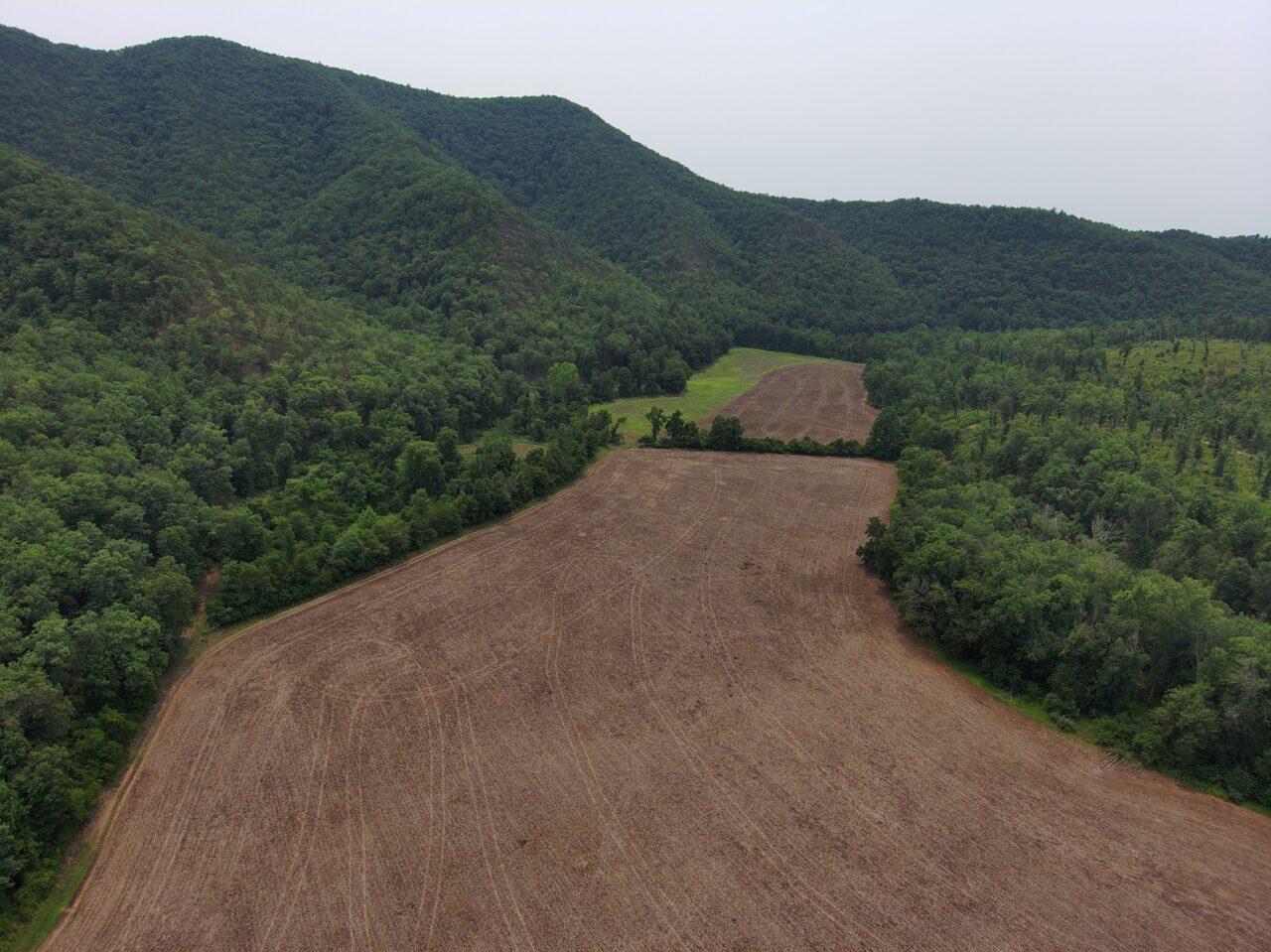
The Shenandoah Valley is a region with strong agricultural heritage, remarkable natural resources, and communities that continue to grow. As development pressures and land-use needs change, the decisions made about individual properties can have lasting consequences for the larger landscape.
Protecting land in a rapidly changing region is not about preventing all change. Communities need homes, businesses, infrastructure, and places to grow. But it is also important to consider what could be lost when open space, productive farmland, forests, and waterways disappear. Conservation easements are one tool for helping communities retain these resources as the region changes. By permanently protecting a property’s identified conservation values, an easement provides a measure of assurance that those values will remain protected even as development expands elsewhere.
When asked what protecting land in a rapidly changing region means, Rosemary returned to the resources that connect all of us.
“I think something that it means is some assurance, right? It is rapidly changing and there are many new and evolving threats to conservation every day. And we want to have tools that can respond to that.”
For people who worry that conserved land could still be vulnerable to future development or changing economic priorities, that permanence is an important distinction. A conservation easement is designed to remain in place regardless of who owns the property in the future. As Rosemary explained, “There is a lot changing around us all the time, but it is one of the most secure tools we have for conservation.”
“It doesn’t matter who owns the land, so if a business or developer purchases it in the future, the deed still stays in place because it is connected to the land and not the owner. So, it’s designed that it can change hands, but the resources will continue to be protected.”
That does not mean a conservation easement makes a property entirely immune to every possible threat. One important exception is eminent domain, the legal process through which a government entity can take private property for a qualifying public use, subject to applicable law. As Rosemary acknowledged, “An easement does not protect a property from eminent domain.”
However, conservation easements can have important implications when conserved land is affected by outside projects. As Rosemary explained, a conservation easement is a property right held by the land trust. If a government agency acquires conserved land, it must generally compensate both the landowner and the land trust for their respective property interests. The land trust can then use its share of the compensation to support its ongoing conservation work, often using it to protect additional land. The same principle applies to projects such as a utility company running a power line across a conserved farm, which may require compensation for both the landowner and the land trust holding the easement. These additional obligations can make projects affecting conserved land more complex and costly, providing another consideration when decisions are made about how and where development occurs.
While no conservation tool can eliminate every possible risk, conservation easements establish lasting legal protection and create an additional layer of responsibility when a property’s future is being considered. Their strength lies in the fact that the original landowner’s decision continues to matter, even after the property changes hands. But a lasting legal agreement is only part of the work. Ensuring that its protections continue to mean something on the ground requires ongoing attention.
“The land trust’s job is to ensure that the easement is upheld and honored in perpetuity, so that’s part of our role,” Rosemary said. “So even after the property is under conservation easement, we continue to steward that property by visiting it every year to make sure that the deed is doing its job.”
This ongoing stewardship is an important part of the conservation process. Protecting a property is not simply a matter of signing an agreement and walking away. Shenandoah Valley Conservancy continues to visit conserved properties and monitor them to help ensure that the terms of each easement are being upheld. These visits allow the organization to maintain its relationship with landowners, observe changes on the property, and help uphold the conservation commitments made for the long term.
For Rosemary, this work is ultimately an investment in the future of the places we call home.
“I think it is an investment in the future of the place,” she explained. “When you think about the place that you live and the connection that you have to it, we know how important that is.”
That connection is something many people in the Shenandoah Valley share. As Rosemary noted, “I personally, and I know many people in the Valley want their kids, their grandkids, and other generations to have the same benefits that they have of living here. It’s a wonderful quality of life because we have these amazing resources and we want to make sure that future generations have them too.”
It is easy to look across the Shenandoah Valley’s rolling hills, green pastures, and forested mountains and assume that the landscape will always look that way. But the places that make this region special are not guaranteed to remain unchanged. The future of the Valley will be shaped by the decisions we make about the land now. Private land conservation is one way landowners can help shape that future. Through voluntary conservation easements, they can protect the places that matter to them while contributing to the longterm health of the region’s natural resources, agricultural communities, and rural landscapes.
Although these properties may remain privately owned, their conservation can benefit everyone who depends on the land, whether they realize it or not.